Every few years a Hollywood rumor makes me sit up a little straighter, and this week's was a good one. Tim Burton and Kazuo Ishiguro, the Nobel Prize-winning novelist behind The Remains of the Day and Never Let Me Go, are developing an original film together. It's reportedly set in Japan after World War II. That's the entire pitch so far, and I haven't stopped thinking about it.
So here's what I'm going to do, and what I'm not. I'll lay out what has actually been reported, point to the one thing Ishiguro said himself, and then give you my own read, including a little fit test I built to see whether these two make sense together. I haven't read a script. Nobody outside the project has. This is a take on a pairing, not a review of a movie.
A quick word on sourcing: the original scoop is Deadline's, and Ishiguro confirmed the project to Variety while talking about Klara and the Sun. I couldn't open Deadline's own page, so I relied on outlets that quote and summarize it, all linked at the bottom. Where I'm adding my own judgment, I say so.
What did Deadline actually report about Tim Burton and Kazuo Ishiguro?
Deadline's exclusive says Burton, with production on Wednesday recently wrapped, is teaming up with Ishiguro on an untitled feature that is still in development. Burton plans to direct from an original screenplay by Ishiguro, not an adaptation of any of his published or upcoming novels. Multiple sources told the trade it's set in post-World War II Japan, and that's where the specifics end.
The gaps are just as important as the facts. There's no distributor and no cast attached, and Mandatory reports the plan is to assemble a package with talent before taking it to market. Deadline also stopped short of calling it Burton's next movie. Per Gizmodo's summary, it's technically still in development, but it's the project he has given the most attention since Wednesday finished shooting.
Then came the part I enjoyed most. Around the London world premiere of Klara and the Sun, Ishiguro confirmed the collaboration to Variety, and he sounded a little caught out. His words: "I thought this was supposed to be a big secret!" He added that it isn't a war film, that it's hard to slot into a genre, and that it's a Burton movie through and through. He also said Jenna Ortega, who has starred for Burton and now stars in the Ishiguro adaptation, isn't the person who introduced them.
One more breadcrumb. World of Reel points back to a May report that Burton met with buyers at Cannes about a "top secret" project, and it connects that to this news. That link is the outlet's inference, not something Burton or Ishiguro has confirmed, so I'd treat it as a reasonable guess and nothing more.
The PairingWho are Tim Burton and Kazuo Ishiguro, and why does the pairing feel strange and right at once?
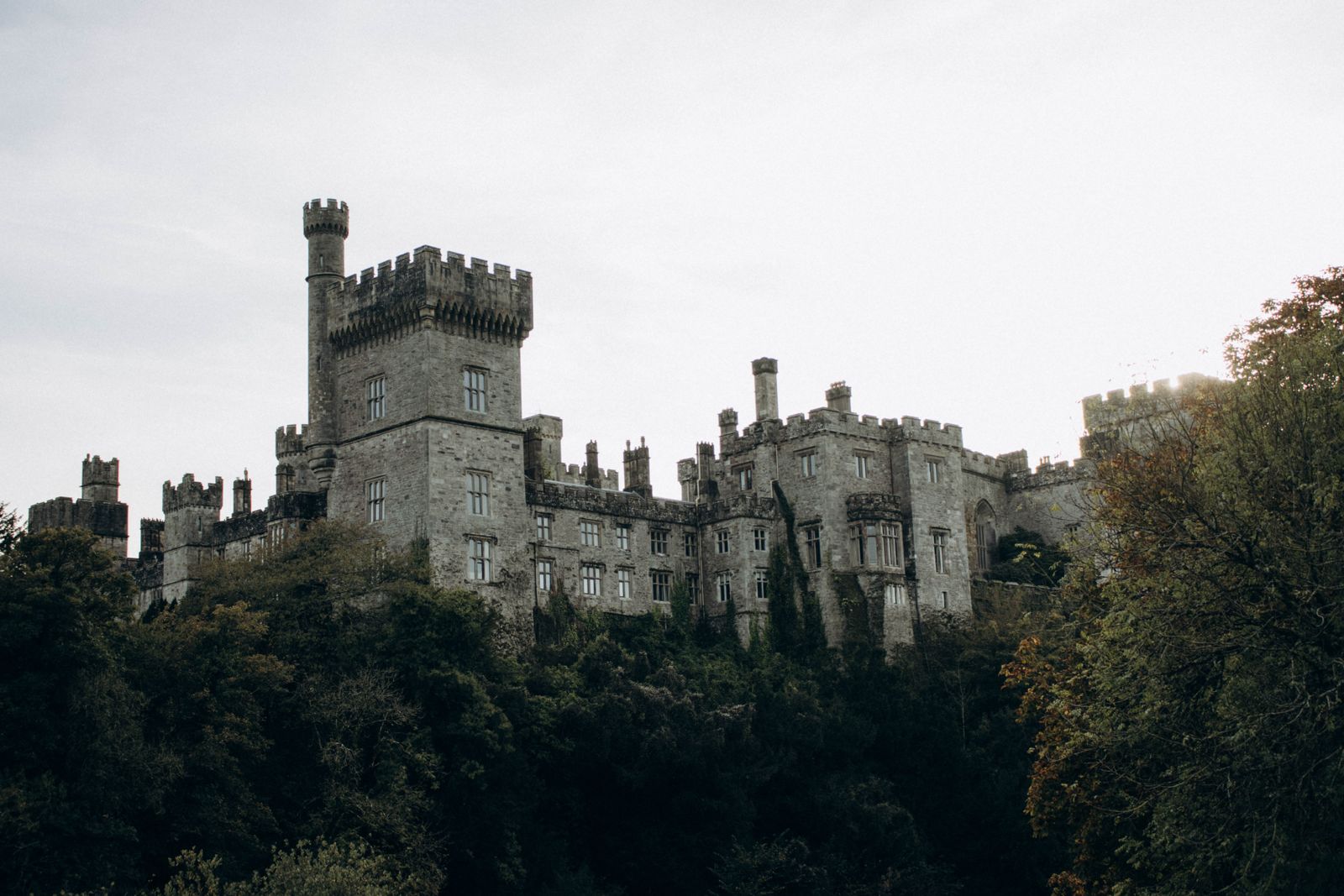
Burton you know. Born in Burbank in 1958, he gave us Beetlejuice (1988), Edward Scissorhands (1990), Ed Wood (1994), Big Fish (2003), Corpse Bride (2005) and, more recently, a Beetlejuice sequel and the Netflix hit Wednesday. His signature is a gothic, hand-built look that you can spot from across a room.
Ishiguro is nearly the opposite kind of artist. He was born in Nagasaki in 1954 and moved to Britain at age five, according to CBC Books. He won the Booker Prize in 1989 for The Remains of the Day, the Nobel Prize in Literature in 2017, and an Oscar nomination for his Living screenplay, which was an adaptation. His voice is quiet and controlled, and the drama lives in what his characters can't bring themselves to say.
On paper, that's a mismatch: maximum style meets maximum restraint. I think it's the reason this is interesting instead of just another announcement. When two people with opposite instincts agree to make something together, one of them usually has to stretch, and I'd love to watch which one it is.
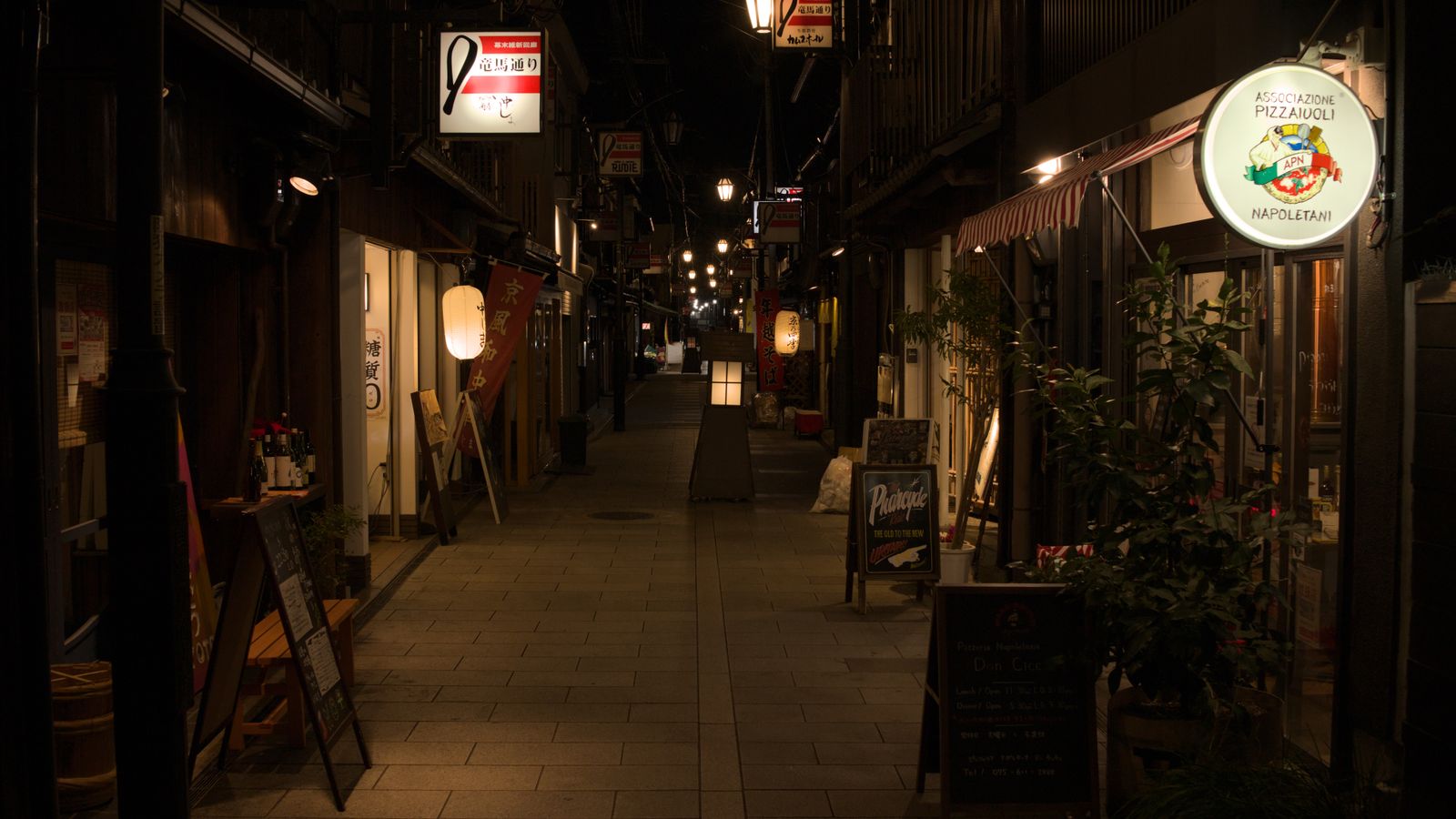
The SettingWhy does a post-World War II Japan story sound like Ishiguro territory?
Because he's been there before, on the page. His debut novel A Pale View of Hills (1982) drifts between Japan in the 1950s and England decades later, a widow's memories coming apart as she tells them. His second, An Artist of the Floating World (1986), is narrated by an older man who has to come to terms with his own part in the war. Both are about how people live with the past in the years right after it.
I'm not saying the film borrows from either book. Deadline is clear it's an original script. But postwar Japan is a place and time where an entire country was rebuilding and deciding what to remember, and that's a lot of material for a writer who has spent a career on memory and regret. It also helps that Ishiguro was born in Nagasaki. This isn't a tourist's idea of Japan.
It's also, I think, a smart place for Burton to go. MovieWeb notes he has shown an interest in Japanese postwar science fiction cinema. That's their observation, and I can't tell you what it means for this film, but it does suggest he's not arriving at this setting cold.
The BackstoryIshiguro's road to the movies, from Nagasaki to a Burton collaboration
Here's how the pieces line up, so you can see why this didn't come out of nowhere.
- 1982
Debut novel A Pale View of Hills, which moves between 1950s Japan and England.
- 1986
An Artist of the Floating World, narrated by an older man looking back on the war years in Japan.
- 1989
Wins the Booker Prize for The Remains of the Day, which becomes a film in 1993.
- 2010
Never Let Me Go arrives in theaters as a film.
- 2017
Wins the Nobel Prize in Literature.
- 2021
Klara and the Sun is published, on March 2.
- 2022
Earns an Oscar nomination for the adapted screenplay of Living.
- October 2026
Deadline reports the Burton project, and Ishiguro confirms to Variety that he's working with him.
- October 23, 2026
Klara and the Sun opens in theaters from Sony Pictures. Taika Waititi directs, Jenna Ortega stars, and the cast includes Amy Adams and Natasha Lyonne, per MovieWeb.
I find the last two entries sitting a week apart oddly satisfying. Whatever you think of Waititi's film, it puts Ishiguro's name back in front of moviegoers just as this project becomes public.
My TestDo Burton and Ishiguro actually fit? My five-point test
I wanted something better than a gut feeling, so I picked five things that tend to define each of them and graded how well they line up. These grades are my own judgment, not a critical consensus, and since there's no script, they're about the pairing and not the movie.
| Test | Ishiguro brings | Burton brings | My grade |
|---|---|---|---|
| 1. Misfits | Ishiguro bringsNarrators who don't see themselves clearly | Burton bringsOutsiders like Edward Scissorhands and Ed Wood | My gradeStrong fit |
| 2. Memory | Ishiguro bringsStories built on what people remember, and what they avoid | Burton bringsBig Fish, where a father's tall tales and the truth collide | My gradeBetter than it sounds |
| 3. Artists at work | Ishiguro bringsA painter reckoning with his life's work | Burton bringsA filmmaker's loving portrait in Ed Wood | My gradeStrong fit |
| 4. Tone | Ishiguro bringsRestraint, and big feelings kept just under the surface | Burton bringsGothic color, stylized sets and flourish | My gradeThe real risk |
| 5. Genre | Ishiguro bringsSays it's hard to pigeonhole | Burton bringsFantasy, horror, biopic, musical and more | My gradeWild card |
Here's how I read my own table. Three of the five fit nicely, and the fourth is the one that decides everything. If Burton leans all the way into his style, he could drown out Ishiguro's quiet. If he trusts the writing and lets the design serve it, the contrast could be the most exciting thing about the film. That tension is the whole reason I'm paying attention.
What Would Change My MindThree things that would raise or lower my confidence in this movie
- 1
Who's cast in the lead
Burton's biggest hits often hang on one unusual performance. A lead who can play a person with something to hide would tell me the film is leaning into Ishiguro's world and not just borrowing its setting.
- 2
Who pays for it
No distributor is attached. An original, genre-slippery film set in postwar Japan won't be a cheap pitch, and the kind of backer it finds will say a lot about how much freedom Burton gets.
- 3
How Japan is represented behind the camera
This is my personal wish, not something that has been reported. A story set in Japan lands better with Japanese talent and perspective in the room, and I'd feel more confident seeing that reflected in the crew and cast whenever they're announced.
And the Oscar angle? MovieWeb suggests a postwar Japan drama could be Burton's route to a Best Director nomination, which has never come his way. I understand why people say that, but I'd be careful. Awards talk before a script exists is just noise, and I'd rather judge the movie on whether it's good.
I haven't seen a page of this script, so I'm not going to grade the film. I'm grading the idea, and the idea is great: an original story, a writer with real history in this setting, and a director who is at his most interesting when he's trying something new. My one condition is that the style serves the story. If it does, this could be one of the more memorable pairings of the decade.
Why this matters beyond Tim Burton
Burton's recent run has been about worlds he already built. Beetlejuice Beetlejuice was a sequel, and Wednesday is a series that lives in his visual language. Nothing wrong with that, and clearly audiences like it. But it's been a while since he started from a blank page with a collaborator who pushes him somewhere new, and I think he's better when he does.
It also matters because it's a reminder of what moviegoers say they want and don't always get: something we haven't seen before, from people who care about it. Whether this one lands is a long way off, and development projects do change shape. For now I'm just glad it exists, and I think that's a perfectly good reason to be a little optimistic.
HomeworkA starter pack while you wait: what I'd watch and read
If you want to be ready for whatever this turns out to be, this is the short list I'd pick. It's my own recommendation, built around the five tests above.
- Watch Ed Wood (1994) if you want to see Burton do a warm, human-scale story about a creative misfit, with none of the gothic fantasy.
- Watch Big Fish (2003) for Burton at his most emotional, with memory and storytelling at the center.
- Read An Artist of the Floating World for Ishiguro's version of postwar Japan, and a short, quiet book that shows you his method.
- See Klara and the Sun on Oct. 23 if you want a fresh look at how Ishiguro's writing translates to the screen. It's directed by Taika Waititi, and I haven't seen it, so I can't tell you how well it works.
If you're deciding where to start and have time for only one, I'd read the book. It's short, and it makes the case for why a story set after the war can be so quietly powerful.
Tim Burton and Kazuo Ishiguro questions people keep searching
Is Tim Burton directing a movie written by Kazuo Ishiguro?
That's the plan, according to Deadline, which reports that Burton is developing the film with plans to direct from an original Ishiguro script. Ishiguro confirmed to Variety that he's working with Burton on a new project. The film is still in development.
What is the Tim Burton and Kazuo Ishiguro movie about?
Nobody has said. Multiple sources told Deadline it's set in post-World War II Japan, and Ishiguro told Variety it isn't a war film and is hard to pin down by genre. There's no plot, title or character information yet.
Is the Tim Burton Kazuo Ishiguro movie based on a book?
No. Deadline's sources say it's an original script by Ishiguro, not based on any of his previous or upcoming novels.
When is the Tim Burton Kazuo Ishiguro movie coming out?
There's no release date. The project has no announced studio or distributor, no cast and no production schedule, so any date you see online is a guess.
Who is in the cast?
No one has been announced. Reports say no actor is attached yet. Jenna Ortega, who worked with Burton on Wednesday and Beetlejuice Beetlejuice, stars in Klara and the Sun, but no outlet I read has linked her to this film.
Is this Tim Burton's next movie?
It isn't confirmed. Deadline says it's technically still in development, but it's the project Burton has given the most attention since production on Wednesday wrapped.
When does Klara and the Sun open?
Oct. 23, 2026, in theaters from Sony Pictures, according to Variety and MovieWeb. Taika Waititi directs, and Jenna Ortega stars as Klara.
Who is Kazuo Ishiguro?
A British novelist born in Nagasaki, Japan, in 1954. He won the Booker Prize in 1989 for The Remains of the Day, the Nobel Prize in Literature in 2017, and was nominated for an Oscar for his screenplay for Living.
Related reading on a similar theme, a major filmmaker's mystery project and how much is truly known: the Zendaya and Alex Garland sci-fi movie, and Danny Boyle's AI comments about Ink.